

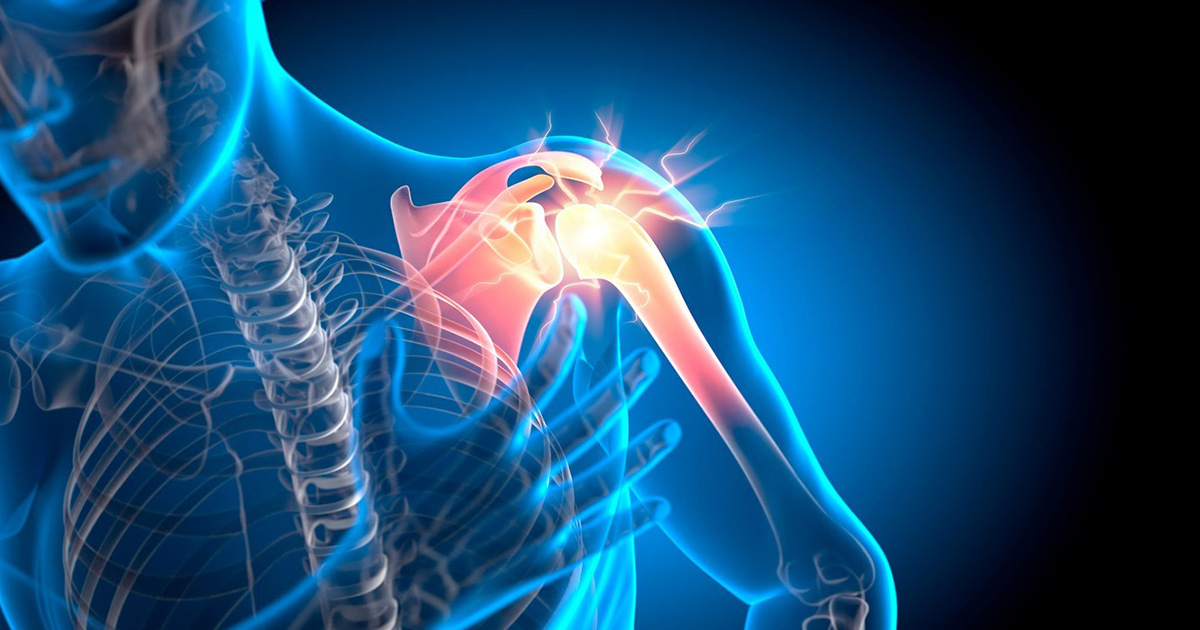
A sudden wrench, fall or collision can leave your shoulder sore for days afterward. Some injuries settle with short term protection, while others involve torn tissue, a dislocation or a fracture that needs more than rest alone. Knowing which symptoms deserve specialist care can protect your motion and strength over time. Here is how to think about post injury shoulder pain if you are recovering now in Houma.
What Counts as a Shoulder Injury
Shoulder injuries range from sprains and strains to dislocations, labral tears, rotator cuff tears and fractures.1,2 The same fall can bruise soft tissue in one person and tear a tendon or move the joint out of place in another. Your age, activity level and the force of the event all influence what was damaged.
Shoulder trauma is common in sports, work accidents and everyday falls. Early evaluation matters most when the joint looks deformed, when you cannot raise the arm or when numbness follows the injury.
Symptoms That Should Not Be Brushed Off
Seek urgent care for an obvious deformity, an open wound, severe swelling, loss of feeling or a hand that becomes cold or pale. Those signs can indicate dislocation, fracture or injury to nerves or blood vessels.1,2
Even when the shoulder looks normal, watch for pain that remains strong after several days, weakness that makes lifting impossible, catching inside the joint or a repeated sense that the shoulder is slipping. Recurrent shoulder dislocation or subluxation after the first event is a reason to ask about stability and possible labral injury.2
Soft Tissue Injuries Versus Bone Injuries
A rotator cuff tear may follow a fall onto the arm or a sudden lift, especially if the tendons already had wear.3 Labral and SLAP tears can occur with traction or dislocation events. Bone injuries such as a shoulder fracture need imaging to define the break and decide whether protection or fixation is required.1
You cannot reliably tell these problems apart by pain alone. An examination and X rays are the starting point, and magnetic resonance imaging may be added when soft tissue injury remains likely.
What Happens After a Dislocation
If the ball of the shoulder comes out of the socket, the joint usually needs prompt reduction. Afterward, temporary immobilization and guided rehabilitation are common.2 Some people return to stable function, while others develop ongoing instability that interferes with sport or work.
Tell us how many times the shoulder has come out, what position triggers symptoms and whether you feel secure sleeping or reaching overhead. Those facts help us decide whether continued rehabilitation is enough or whether stabilization should be discussed.
Early Care That Supports Healing
In the first days after injury, protection, ice and elevation can help control swelling when they fit your situation. Avoid forcing painful overhead motion before you know what is injured. Medication choices should account for your other health conditions and prescriptions.
As symptoms settle, guided motion and strengthening become important to prevent stiffness. Frozen shoulder can develop after injury or immobilization, so a plan that balances protection with timely motion is part of recovery.4
When a Specialist Visit Adds Value
See a shoulder specialist when imaging shows a tear, fracture or instability pattern, when weakness persists, or when you are unsure whether returning to sport or work is safe. Specialist care is also useful when initial treatment has not restored useful function after a reasonable interval.
Our Houma office can review your injury story, examine the joint and explain whether nonsurgical care, shoulder arthroscopy or another procedure is under consideration. The goal is a clear plan matched to the damaged structures, not a rush to operate.
Returning to Work or Sport Safely
Clearance to return should follow strength, motion and symptom guidelines for your specific injury. Coming back too early can repeat a dislocation, extend a partial tear or aggravate a healing fracture. Ask what landmarks we want to see before you resume overhead lifting, contact activity or throwing.
If your job requires climbing, tool use or protective gear, share those demands during the visit. A return plan that ignores your real tasks is incomplete.
Frequently Asked Questions
Should you go to the emergency room after a shoulder injury?
Go to emergency care for deformity, open injury, severe trauma, numbness or circulatory changes. For moderate pain without those warning signs, a prompt outpatient evaluation may be appropriate.
Can a rotator cuff tear happen without a fall?
Yes, some tears develop from wear and repetitive overhead use, while others start with an acute injury.3 Your history and imaging help separate those patterns.
Where can you get shoulder injury care in Houma?
You can be evaluated at our Houma office on School Street. Bring any urgent care or hospital records so we can build on testing already completed.
How soon should you move the shoulder after injury?
That depends on the diagnosis. Some injuries need short term protection, while prolonged immobilization without guidance can increase stiffness. Follow instructions specific to your injury.
Does every dislocation need surgery?
No, many first time dislocations are managed without surgery. Recurrence, age, activity demands and associated tissue injury influence whether stabilization is discussed later.2
Plan Your Post Injury Shoulder Visit
If shoulder pain after an injury is not settling, or if weakness and instability remain, you can request an appointment in Houma. We can identify what was damaged and outline a recovery path that protects your shoulder while restoring useful motion.
References
- American Academy of Orthopaedic Surgeons. Shoulder Trauma (Fractures and Dislocations). OrthoInfo. n.d.; accessed November 2026. Shoulder Trauma (Fractures and Dislocations).
- American Academy of Orthopaedic Surgeons. Shoulder Dislocation. OrthoInfo. n.d.; accessed November 2026. Shoulder Dislocation.
- American Academy of Orthopaedic Surgeons. Rotator Cuff Tears. OrthoInfo. n.d.; accessed November 2026. Rotator Cuff Tears.
- American Academy of Orthopaedic Surgeons. Frozen Shoulder. OrthoInfo. n.d.; accessed November 2026. Frozen Shoulder.
Dr. Geoffrey P. Stone, MD is a board-certified, fellowship-trained shoulder and elbow surgeon specializing in open and arthroscopic surgery and sports medicine. He earned his medical degree and completed his orthopaedic surgery residency at the University of South Alabama. He subsequently completed an accredited shoulder and elbow fellowship at Florida Orthopaedic Institute, followed by advanced arthroscopic shoulder training in France. His academic contributions include published book chapters and journal articles on shoulder surgery. His research earned two nominations for the prestigious Charles S. Neer Award in 2015, reflecting his scholarly contributions.