

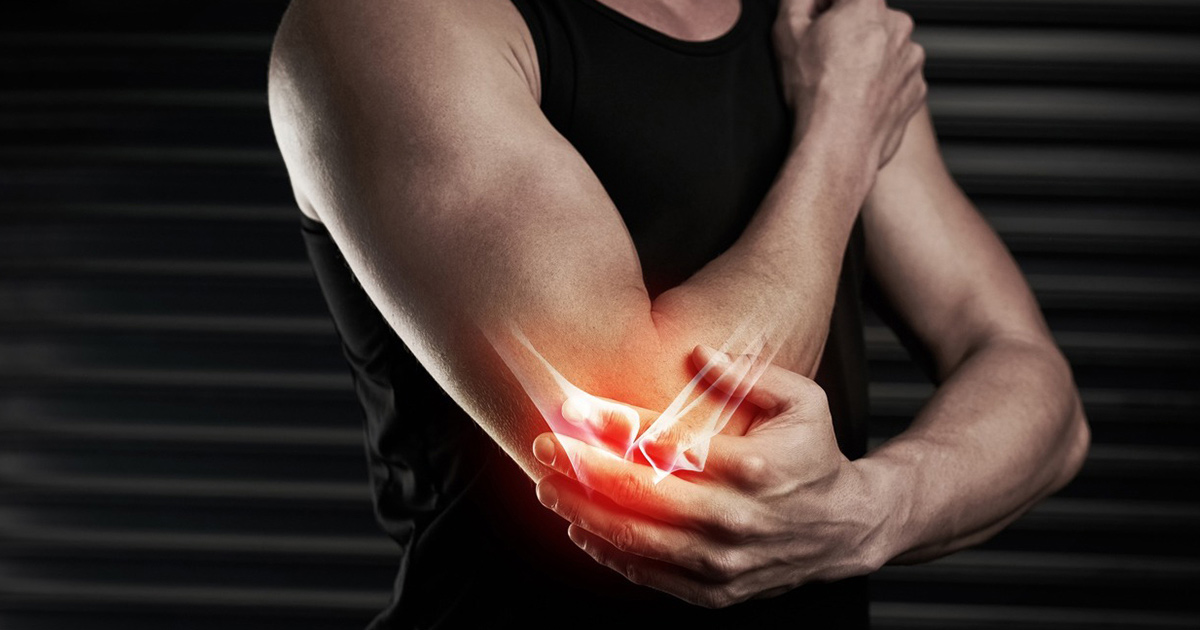
An elbow fracture can make bending, straightening or bearing weight through the arm suddenly difficult after a fall or blow. Some breaks stay lined up well enough to heal in a splint, while others need an operation to restore the joint surface and stability. Understanding that difference helps you ask better questions after an injury. Here is how elbow fracture care is approached in Houma and when surgery may be discussed.
How Elbow Fractures Happen
The elbow joins the humerus with the radius and ulna. Fractures often follow a fall onto an outstretched arm, a direct blow or a twisting force beyond what the joint can tolerate. Common patterns include radial head and neck fractures, olecranon fractures at the tip of the elbow and distal humerus fractures near the joint.1,2,3
Because the olecranon sits close to the skin with little soft tissue cover, it is vulnerable to direct impact.2 Radial head fractures are frequently linked to falls in which force travels up the forearm.1 Higher energy injuries can involve more than one bone and may injure ligaments at the same time.
Symptoms and Early Evaluation
Pain, swelling, bruising, limited motion and tenderness around the elbow are typical. You may hear or feel a crack at the moment of injury. Numbness, weakness or a hand that looks pale needs urgent attention because nerves and blood vessels travel close to the joint.
Diagnosis begins with your injury story and an examination, followed by X rays. A CT scan is sometimes added when the joint surface needs clearer detail before treatment decisions. Do not test painful motion repeatedly before imaging if a fracture is likely.
Goals of Treatment
The main goals are to restore alignment, protect healing bone and recover useful motion. Elbow stiffness is a common concern after fracture, so treatment plans often emphasize starting motion as soon as the fracture pattern allows. Pain control, swelling management and follow up X rays support that process.
Nonsurgical care may include a splint or sling, activity limits and guided therapy once protection is reduced. Medication should be chosen with your other medical conditions in mind. Not every fracture needs metal implants, and not every cast or splint period is the same length.
When Surgery Is Usually Considered
Surgery is more often discussed for displaced fractures, open fractures, fractures that enter the joint and leave the surface uneven, and injuries that leave the elbow unstable.1,2,3 Olecranon fractures frequently need fixation because the triceps tendon pulls on the fragment and can keep the break from resting in place.2
Distal humerus fractures can be complex, especially when the joint surface is involved, and many benefit from operative repair to allow earlier motion.3 Some radial head fractures remain stable and minimally displaced, while others need fixation or, in select cases, other reconstructive options.1
If elbow fracture reconstruction is recommended, ask which bones are involved, whether ligaments also need attention and what motion restrictions you will have afterward.
What Recovery Can Involve
After fixation, early protected motion is often a priority when the repair is stable enough to allow it. Your plan may include a removable brace, therapy and staged strengthening. Full recovery timelines vary with the fracture type, soft tissue injury and your overall health.
Possible complications include stiffness, hardware irritation, infection, healing problems and post traumatic arthritis. Knowing those risks in advance helps you weigh surgery against continued nonoperative care when both remain options.
Care at Our Houma Office
Elbow fractures are evaluated at our office at 1001 School Street in Houma. Bring urgent care or hospital imaging on a disc or portal printout when possible so we can review the fracture pattern without delay. If you were first seen elsewhere, ask for operative notes or splint instructions so follow up stays coordinated.
Your treatment choice should match the fracture, your health and the activities you need to resume. A clear explanation of alignment, joint stability and expected motion is more useful than focusing only on whether metal is used.
Frequently Asked Questions
Can an elbow fracture heal without surgery?
Yes, some well aligned, stable fractures heal with protection and follow up. Displacement, joint involvement and instability make surgery more likely.1,2,3
Why is stiffness such a concern after an elbow fracture?
The elbow tolerates immobilization poorly compared with some other joints. Plans often start motion as soon as the fracture allows to reduce lasting stiffness.
Where can you get elbow fracture care in Houma, LA?
You can be evaluated and followed at our Houma office. If surgery is needed, we will explain the procedure, hospital or surgery center plans and postoperative restrictions.
Do all radial head fractures need an operation?
No, many minimally displaced radial head fractures are treated without surgery. Larger displacement, multiple fragments or associated instability change that decision.1
What should you do while waiting for your appointment?
Keep the splint or sling as instructed, elevate the arm when possible and avoid removing immobilization without guidance. Seek urgent care for rising pain, numbness, fever or color changes in the hand.
Talk Through Your Elbow Fracture Options
If you have an elbow fracture or unresolved pain after a recent break, you can request an appointment in Houma. We can review your imaging, explain whether nonsurgical care remains appropriate and discuss surgery when alignment or stability requires it.
References
- American Academy of Orthopaedic Surgeons. Radial Head Fractures of the Elbow. OrthoInfo. n.d.; accessed November 2026. Radial Head Fractures of the Elbow.
- American Academy of Orthopaedic Surgeons. Elbow (Olecranon) Fractures. OrthoInfo. n.d.; accessed November 2026. Elbow (Olecranon) Fractures.
- American Academy of Orthopaedic Surgeons. Distal Humerus Fractures of the Elbow. OrthoInfo. n.d.; accessed November 2026. Distal Humerus Fractures of the Elbow.
Dr. Geoffrey P. Stone, MD is a board-certified, fellowship-trained shoulder and elbow surgeon specializing in open and arthroscopic surgery and sports medicine. He earned his medical degree and completed his orthopaedic surgery residency at the University of South Alabama. He subsequently completed an accredited shoulder and elbow fellowship at Florida Orthopaedic Institute, followed by advanced arthroscopic shoulder training in France. His academic contributions include published book chapters and journal articles on shoulder surgery. His research earned two nominations for the prestigious Charles S. Neer Award in 2015, reflecting his scholarly contributions.